
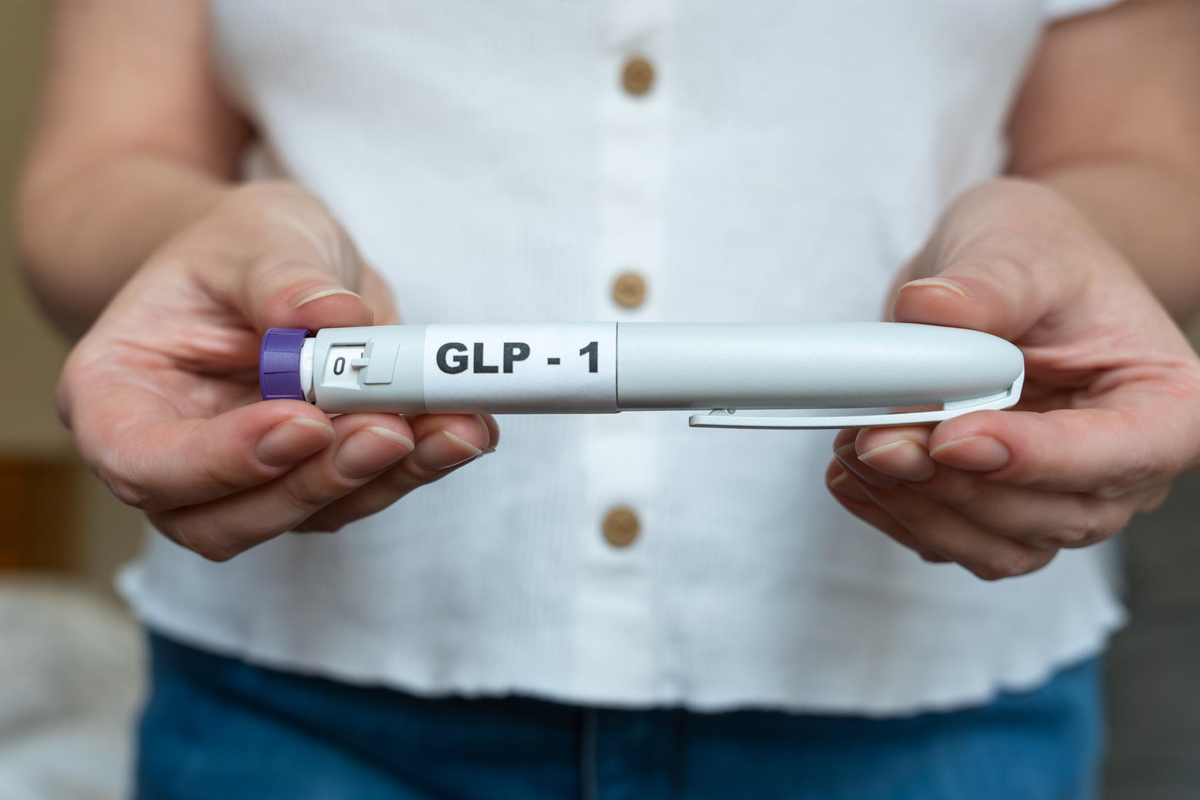
India’s drug regulator has taken strict action against the misuse of GLP-1 drugs, which are commonly used for diabetes but are now widely used for weight loss. A new advisory and nationwide inspections have been introduced to control their improper use.
Government Action
On April 1, authorities raised concerns about the easy availability of these drugs through:
- Online platforms
- Retail pharmacies
- Wellness and weight-loss clinics
The regulator has warned that using these drugs without medical supervision can lead to serious health risks.
Strict Advisory & Inspections
The government has:
- Ordered companies to stop misleading advertisements
- Banned promotion without prescription
- Conducted inspections at 49 locations across India
These included pharmacies, wholesalers, and clinics.
Violators may face:
- Licence cancellation
- Fines
- Legal action
Why Demand is Increasing
GLP-1 drugs are becoming popular because they help in:
- Controlling blood sugar
- Reducing appetite
- Supporting weight loss
They work by regulating hormones that control glucose and hunger, making them effective for both diabetes and obesity.
Common GLP-1 Drugs
Some widely used GLP-1 medicines include:
- Semaglutide
- Liraglutide
- Tirzepatide
- Dulaglutide
- Exenatide
These are mostly available as injection pens, with some oral options also entering the market.
Health Risks
While effective, these drugs can cause side effects such as:
- Nausea
- Vomiting
- Dizziness
Serious risks may include:
- Pancreatitis
- Kidney issues
- Digestive problems
These risks increase when used without proper medical guidance.
Prescription is Mandatory
Authorities have clearly stated that GLP-1 drugs are prescription-only medicines.
They should only be used under the supervision of qualified doctors.
People are advised to avoid buying these drugs from:
- Unverified online sources
- Informal sellers
Conclusion
India’s strict action highlights the importance of safe and controlled use of advanced medicines.
While GLP-1 drugs are effective for diabetes and obesity, misuse can be dangerous. Proper medical guidance and regulation are essential to ensure patient safety.