Showing all 4 results
-
Click to Get a Quote
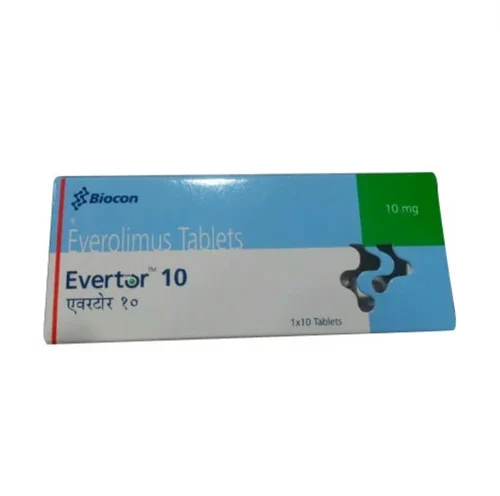
Evertor 5MG Tablet
FreeProduct Introduction
Evertor 5mg Tablet is used for the prevention of organ rejection in transplant patients. It regulates the body’s immune response, so the body can accept the new organ. It is also used in combination with other medicines to treat cancers of breast, pancreas, lungs, and kidney.
Evertor 5mg Tablet must be taken in the dose and duration as per the prescription. It can be taken with or without food, but make sure to take it at about the same time every day. An overdose of this medicine may have serious side effects on the body.
The common side effects of this medicine include infection, fever, cough, fatigue, diarrhea, and upper respiratory infection. If any of the side effects persist or bother you, consult a doctor immediately. Inform the doctor immediately if you experience any allergic reactions (rash, shortness of breath, coughing, swelling, etc.). Always seek medical advice if you have increased thirst or increased frequency of urination, suffer from shortness of breath, cough, or fever, or need to receive any vaccination after taking this medication.
Before taking this medicine, it is important to consult your doctor if you have any ongoing medication for any underlying disease. Pregnant and breastfeeding women must inform their doctor before the initiation of this treatment. During the treatment, your doctor may advise you to undergo some laboratory tests to determine the effects of the medicine on the body. It may affect male or female fertility, so consult the doctor if you are planning to have a child.
Uses of Evertor Tablet
Benefits of Evertor Tablet
In Prevention of organ rejection in transplant patients
Evertor 5mg Tablet is used with other medications to prevent organ transplant rejection. Rejection usually happens due to attack by the immune system of the person receiving the transplanted organ on the transplant itself, in people who are receiving any organ transplants, like kidney, liver, heart etc. This medicine reduces the activity of a person’s own immune system and prevents any such rejection.
Side effects of Evertor Tablet
Most side effects do not require any medical attention and disappear as your body adjusts to the medicine. Consult your doctor if they persist or if you’re worried about themCommon side effects of Evertor
- Pneumonitis
- Hypercholesterolemia (high cholesterol)
- Increased aspartate aminotransferase
- Decreased white blood cell count (lymphocytes)
- Lymphopenia
- Increased alanine aminotransferase
- Increased triglyceride level in blood
- Joint pain
- Pleural effusion
- Pulmonary edema
- Stomatitis (Inflammation of the mouth)
- Anemia (low number of red blood cells)
- Decreased potassium level in blood
- Weight loss
- Taste change
- Rash
- Diarrhea
- Infection
- Breathlessness
- Fatigue
- Low blood platelets
- Increased glucose level in blood
- Decreased appetite
How to use Evertor Tablet
Take this medicine in the dose and duration as advised by your doctor. Swallow it as a whole. Do not chew, crush or break it. Evertor 5mg Tablet may be taken with or without food.
How Evertor Tablet works
Evertor 5mg Tablet suppresses the activity of body’s immune system and prevents rejection of the transplanted organ. -
Click to Get a Quote
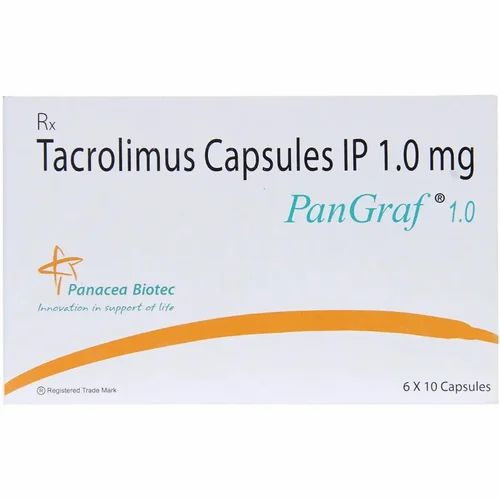
Pangraf 1MG Capsule
FreeProduct Introduction
Pangraf 1 Capsule is used along with other medicines to prevent your body from rejecting a new organ (e.g., liver, kidney, or heart) after transplant. It does so by weakening your body’s immune system, so it does not attack the new organ. This medication belongs to a class of drugs known as immunosuppressants.The amount of Pangraf 1 Capsule you take and how often you take it depends on the type of transplant you have, your body weight, and what other medicines you are taking. Take this medicine regularly to get the maximum benefit and keep taking it, even if you feel well. If you stop taking it, you may increase the chances of rejecting your transplanted organ.
Pangraf 1 Capsule has many potential side effects. It can cause or worsen diabetes and kidney problems. These need urgent medical attention. Other common side effects include tremor, infections, high blood pressure, headache, and insomnia. If the side effects do not go away or get worse, tell your doctor. Pangraf 1 Capsule lowers your immune system making you susceptible to catching more infections than usual.
Before taking this medicine, tell your doctor if you have kidney, liver, or heart problems, diabetes, or high blood pressure. Also let your doctor know what other medications you are taking, especially for infections, pain, and arthritis. These and others may affect, or be affected by, this medicine. You should limit your exposure to the sun and UV (ultraviolet) light while taking it because immunosuppressants could increase your risk of skin cancer.
Both men and women using this medicine should use effective birth control to prevent pregnancy. This medicine is not normally recommended during pregnancy or while breastfeeding unless it is clearly needed. Before and during treatment you will need frequent medical tests to monitor your progress, and your blood pressure will need to be checked often.
Uses of Pangraf Capsule
Benefits of Pangraf Capsule
In Prevention of organ rejection in transplant patients
Pangraf 1 Capsule belongs to a group of medicines known as immunosuppressants. Organ rejection happens when your immune system treats the new organ as an invader and attacks it. This medicine weakens your immune response (which usually fights infection) and reduces the chance of your body attacking the transplanted organ. It is used in combination with other medicines to make it much more likely that your transplant operation will be successful. You should continue taking the medicine and should not stop it until your doctor says so.
Side effects of Pangraf Capsule
Most side effects do not require any medical attention and disappear as your body adjusts to the medicine. Consult your doctor if they persist or if you’re worried about themCommon side effects of Pangraf
- Infection
- Increased glucose level in blood
- Insomnia (difficulty in sleeping)
- Tremors
- Headache
- Abnormal liver function tests
- Kidney damage
- High blood pressure
How to use Pangraf Capsule
Take this medicine in the dose and duration as advised by your doctor. Pangraf 1 Capsule may be taken with or without food.
How Pangraf Capsule works
Pangraf 1 Capsule is an immunosuppressant. It works by suppressing your body’s immune response following the transplant of an organ (e.g., liver, kidney, heart). This helps your body to accept the new organ as if it were your own. -
Click to Get a Quote
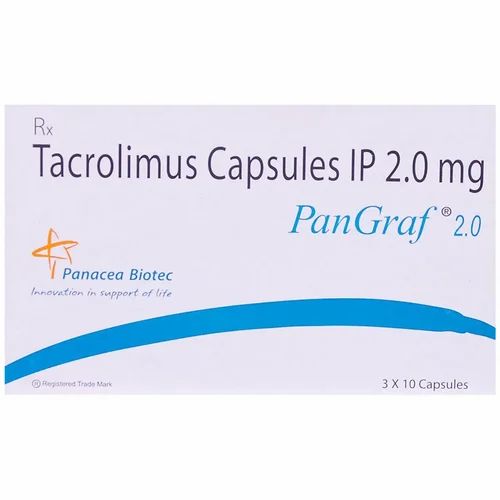
Pangraf 2 MG Capsule
FreeProduct Introduction
Pangraf 2 Capsule is used along with other medicines to prevent your body from rejecting a new organ (e.g., liver, kidney, or heart) after transplant. It does so by weakening your body’s immune system, so it does not attack the new organ. This medication belongs to a class of drugs known as immunosuppressants.The amount of Pangraf 2 Capsule you take and how often you take it depends on the type of transplant you have, your body weight, and what other medicines you are taking. Take this medicine regularly to get the maximum benefit and keep taking it, even if you feel well. If you stop taking it, you may increase the chances of rejecting your transplanted organ.
Pangraf 2 Capsule has many potential side effects. It can cause or worsen diabetes and kidney problems. These need urgent medical attention. Other common side effects include tremor, infections, high blood pressure, headache, and insomnia. If the side effects do not go away or get worse, tell your doctor. Pangraf 2 Capsule lowers your immune system making you susceptible to catching more infections than usual.
Before taking this medicine, tell your doctor if you have kidney, liver, or heart problems, diabetes, or high blood pressure. Also let your doctor know what other medications you are taking, especially for infections, pain, and arthritis. These and others may affect, or be affected by, this medicine. You should limit your exposure to the sun and UV (ultraviolet) light while taking it because immunosuppressants could increase your risk of skin cancer.
Both men and women using this medicine should use effective birth control to prevent pregnancy. This medicine is not normally recommended during pregnancy or while breastfeeding unless it is clearly needed. Before and during treatment you will need frequent medical tests to monitor your progress, and your blood pressure will need to be checked often.
Uses of Pangraf Capsule
Benefits of Pangraf Capsule
In Prevention of organ rejection in transplant patients
Pangraf 2 Capsule belongs to a group of medicines known as immunosuppressants. Organ rejection happens when your immune system treats the new organ as an invader and attacks it. This medicine weakens your immune response (which usually fights infection) and reduces the chance of your body attacking the transplanted organ. It is used in combination with other medicines to make it much more likely that your transplant operation will be successful. You should continue taking the medicine and should not stop it until your doctor says so.
Side effects of Pangraf Capsule
Most side effects do not require any medical attention and disappear as your body adjusts to the medicine. Consult your doctor if they persist or if you’re worried about themCommon side effects of Pangraf
- Infection
- Increased glucose level in blood
- Insomnia (difficulty in sleeping)
- Tremors
- Headache
- Abnormal liver function tests
- Kidney damage
- High blood pressure
How to use Pangraf Capsule
Take this medicine in the dose and duration as advised by your doctor. Pangraf 2 Capsule may be taken with or without food.
How Pangraf Capsule works
Pangraf 2 Capsule is an immunosuppressant. It works by suppressing your body’s immune response following the transplant of an organ (e.g., liver, kidney, heart). This helps your body to accept the new organ as if it were your own. -
Click to Get a Quote
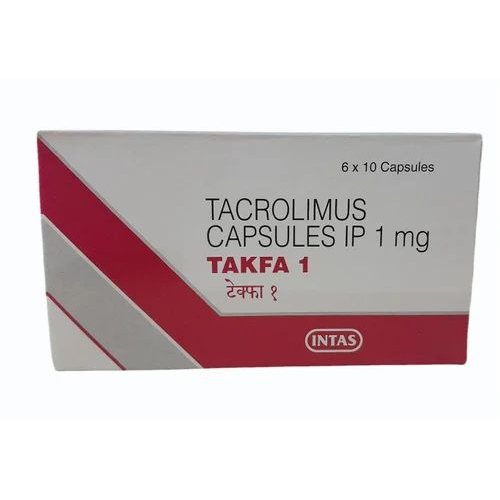
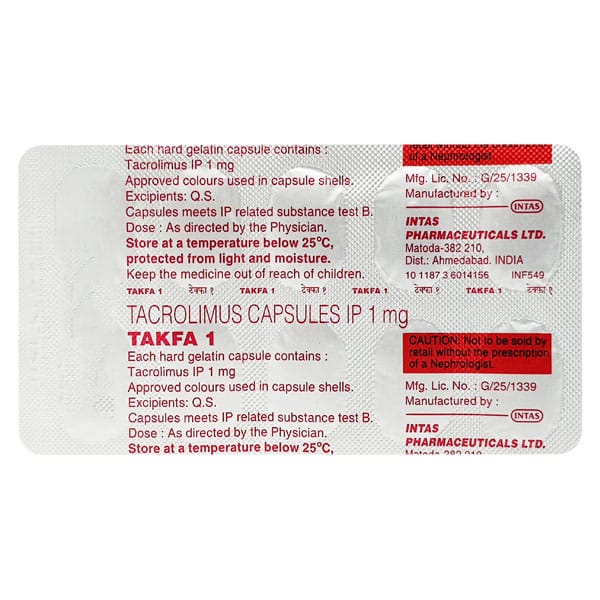
Takfa 1MG Capsule
FreeProduct Introduction
Takfa 1 Capsule is used along with other medicines to prevent your body from rejecting a new organ (e.g., liver, kidney, or heart) after transplant. It does so by weakening your body’s immune system, so it does not attack the new organ. This medication belongs to a class of drugs known as immunosuppressants.The amount of Takfa 1 Capsule you take and how often you take it depends on the type of transplant you have, your body weight, and what other medicines you are taking. Take this medicine regularly to get the maximum benefit and keep taking it, even if you feel well. If you stop taking it, you may increase the chances of rejecting your transplanted organ.
Takfa 1 Capsule has many potential side effects. It can cause or worsen diabetes and kidney problems. These need urgent medical attention. Other common side effects include tremor, infections, high blood pressure, headache, and insomnia. If the side effects do not go away or get worse, tell your doctor. Takfa 1 Capsule lowers your immune system making you susceptible to catching more infections than usual.
Before taking this medicine, tell your doctor if you have kidney, liver, or heart problems, diabetes, or high blood pressure. Also let your doctor know what other medications you are taking, especially for infections, pain, and arthritis. These and others may affect, or be affected by, this medicine. You should limit your exposure to the sun and UV (ultraviolet) light while taking it because immunosuppressants could increase your risk of skin cancer.
Both men and women using this medicine should use effective birth control to prevent pregnancy. This medicine is not normally recommended during pregnancy or while breastfeeding unless it is clearly needed. Before and during treatment you will need frequent medical tests to monitor your progress, and your blood pressure will need to be checked often.
Uses of Takfa Capsule
Benefits of Takfa Capsule
In Prevention of organ rejection in transplant patients
Takfa 1 Capsule belongs to a group of medicines known as immunosuppressants. Organ rejection happens when your immune system treats the new organ as an invader and attacks it. This medicine weakens your immune response (which usually fights infection) and reduces the chance of your body attacking the transplanted organ. It is used in combination with other medicines to make it much more likely that your transplant operation will be successful. You should continue taking the medicine and should not stop it until your doctor says so.
Side effects of Takfa Capsule
Most side effects do not require any medical attention and disappear as your body adjusts to the medicine. Consult your doctor if they persist or if you’re worried about themCommon side effects of Takfa
- Infection
- Increased glucose level in blood
- Insomnia (difficulty in sleeping)
- Tremors
- Headache
- Abnormal liver function tests
- Kidney damage
- High blood pressure
How to use Takfa Capsule
Take this medicine in the dose and duration as advised by your doctor. Takfa 1 Capsule may be taken with or without food.
How Takfa Capsule works
Takfa 1 Capsule is an immunosuppressant. It works by suppressing your body’s immune response following the transplant of an organ (e.g., liver, kidney, heart). This helps your body to accept the new organ as if it were your own.